Professionalism
Originally posted on LinkedIn on 18 April 2025.
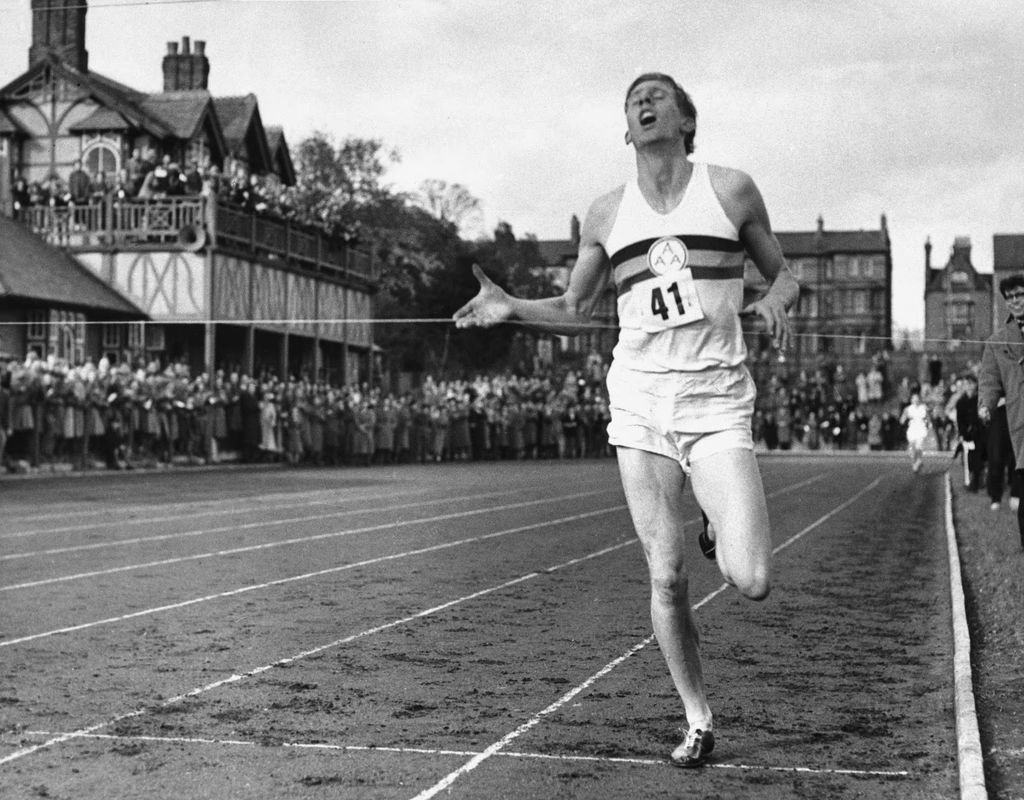
On the gusty afternoon of 6 May 1954, at the Iffley Road track in Oxford, Roger Bannister lined up for his mile attempt. For decades, the four-minute barrier had loomed as an almost mythical limit - scientists debated whether the human body could withstand such a pace, and generations of runners had tried and failed to break it.
Through the first three laps, the pacers did their job. But as Bannister hit the final back straight, he needed to cover the last 400m in under 59 seconds. With his stride stretching and his lungs burning, he pushed through the agony, crossing the finish line in 3 minutes 59.4 seconds - before collapsing, almost delirious, into the arms of marshals and coaches. The impossible had been done.
In the aftermath of this historic moment, Bannister was invited to the US for a goodwill tour. He was even awarded the Miracle Mile Trophy - but he was advised not to take it. Its value exceeded £12, the strict limit for amateur athletes. Accepting it might have led to accusations of professionalism.
What was once a dirty word is now an expectation. Professionalism today isn’t about whether you get paid - it’s about being refined, carefully planned, optimised. A professional performance is seamless: no rough edges, no lucky guesses, no visible struggle. When someone calls my work "professional", I take it as a compliment - who wouldn’t? It means it’s carefully executed and worthy of trust.
And yet… There’s still something magical about the spontaneous. A moment of raw talent breaking through. An off-the-cuff remark that lands perfectly. An elegant solution to a complex technical challenge, devised in real-time while brainstorming, almost like a witty comeback in a bit of banter. The kind of brilliance that isn’t rehearsed - it just happens.
Maybe that’s the paradox: professionalism makes things better, but sometimes, it’s the improvisation that makes things special.